
Get An Offer Today, Sell In A Matter Of Days
Most people who own a rental in Philadelphia didn’t set out to be a landlord. They inherited a house, moved and kept the old one, or bought one property years ago when the math was simpler. The question that eventually arrives is the same either way: is this still worth it?
The compliance stack got heavier
Renting out a Philadelphia property legally means keeping all of this current, at once:
- A Rental License from L&I, renewed annually. At renewal the city checks that you’re current on city taxes, that lead certification is in place, and that there are no open violations on the property.
- Lead certification for anything built before March 1978 — which is most of Philadelphia’s housing stock. The property has to be certified lead-free or lead-safe by a certified inspector and stay current.
- A Certificate of Rental Suitability from L&I for every new tenant, issued no more than 60 days before the lease begins, handed over at signing.
- A local managing agent if you don’t live in the city — out-of-city owners generally can’t complete the license application without designating one.
None of it is exotic. It’s just a standing administrative job attached to an asset that’s supposed to be passive.
The license is the linchpin, and this is the part that bites
If your rental license isn’t active, you don’t just risk a fine. In Philadelphia an unlicensed landlord cannot collect rent for the period they were unlicensed, and cannot use the courts. File to evict without a valid license and the case gets dismissed — it doesn’t matter how far behind the tenant is or what condition they’ve left the place in.
That’s the trap a lot of accidental landlords fall into. The license lapses quietly, or was never obtained after an inheritance, and it isn’t discovered until the moment they actually need the court — at which point they have no leverage at all. Anyone can check a property’s license status at atlas.phila.gov, tenants very much included.
Where the returns actually go
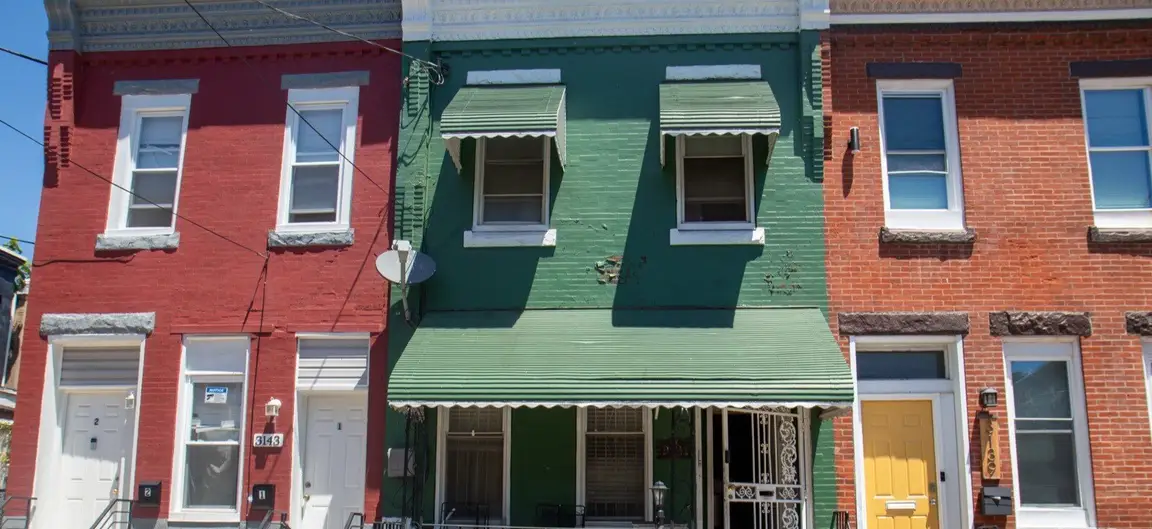
Philadelphia’s rental stock is old. Rowhomes built before 1940 come with the systems you’d expect — original plumbing stacks, knob-and-tube surprises behind plaster, roofs that need work every decade, party walls that make water intrusion someone else’s fault and still your repair.
Add turnover: a vacancy month, cleaning, paint, a new Certificate of Rental Suitability, screening under the city’s tenant-screening rules. Add the management fee if you’ve moved away. Then subtract the repair you’ve been deferring because doing it properly costs more than a year of profit. For a lot of small landlords the honest annual return, after the real numbers, is far less than the equity sitting in the property is worth doing something else.
You don’t have to evict anyone to sell
This is the most common misconception we run into. A lease survives a sale — the buyer takes the property subject to the existing tenancy. You are not required to empty the building first, and you should not start an eviction just to make a sale possible.
We buy occupied rentals with tenants in place and take on the tenancy ourselves. If you’re dealing with a specific bad situation rather than general burnout, that’s a different page with the eviction-side detail. If it’s a duplex, triplex, or small apartment building, see selling a multi-family property.
The tax question people stall on
The reason many landlords delay a sale is tax — capital gains on the appreciation, plus depreciation recapture on everything they’ve written off over the years. It’s a real consideration and it’s worth understanding before you decide, not after.
It’s also frequently smaller than people fear, and there are structures like a 1031 exchange if you want to stay invested without taking the hit now. We’re not accountants and won’t pretend otherwise — talk to your CPA with actual numbers in front of you. What we can do is give you a firm price so those numbers exist.
How we buy Philadelphia rentals
We buy single rentals and small portfolios across Philadelphia, occupied or vacant, in as-is condition. No repairs, no cleanout, no fees or commissions, no showings that disturb your tenants. Open L&I violations, a lapsed license, deferred maintenance, back taxes — all of it gets handled through the closing rather than being something you fix first.
An offer costs nothing and doesn’t obligate you. Even if you decide to keep the property, knowing the number is what lets you compare “sell it” against another five years of managing it. Here’s how we build an offer. And since landlords get a steady stream of unsolicited mail, here’s how to vet any buyer who contacts you.
This page is general information — not legal, tax, or accounting advice. Licensing requirements, tenancy obligations, and tax treatment depend on your specific property and circumstances. Talk to an attorney and your CPA.
Done being a landlord? Get your fair cash offer today, or call or text us at (215) 515-7799.
Frequently Asked Questions
Can you buy my rental with tenants still living there?
Yes, and it’s routine. The lease transfers with the property and we take over as the owner — you don’t need to evict anyone, give notice, or wait for a lease to end. Your tenants keep their tenancy and we handle it from closing forward.
What if my rental license lapsed or I never had one?
Very common, especially on inherited properties, and it doesn’t stop us from buying. It matters a great deal if you’re trying to collect back rent or evict — an unlicensed landlord can’t do either through the courts — but for a sale to us it’s just another item resolved at settlement.
What if I have a problem tenant or an eviction in progress?
We still buy. We’ve taken on properties mid-eviction and with tenants well behind on rent. Depending on the situation it may affect price, but it doesn’t have to be resolved before you sell — and starting an eviction purely to make a sale possible is usually the wrong move.
Do you buy multi-unit buildings and small portfolios?
Yes. Duplexes, triplexes, small apartment buildings, and groups of houses. If you’re winding down several properties, tell us — a portfolio is often simpler to close than a single house.
How much will I actually walk away with?
No commissions, no listing fees, no repair credits, and we can often cover closing costs — so the offer we agree on is close to what you leave with, before your mortgage payoff and any taxes owed. Call or text (215) 515-7799 and we’ll walk through the numbers on your specific property.