Get An Offer Today, Sell In A Matter Of Days
Why So Many Philadelphia Houses Have Mold
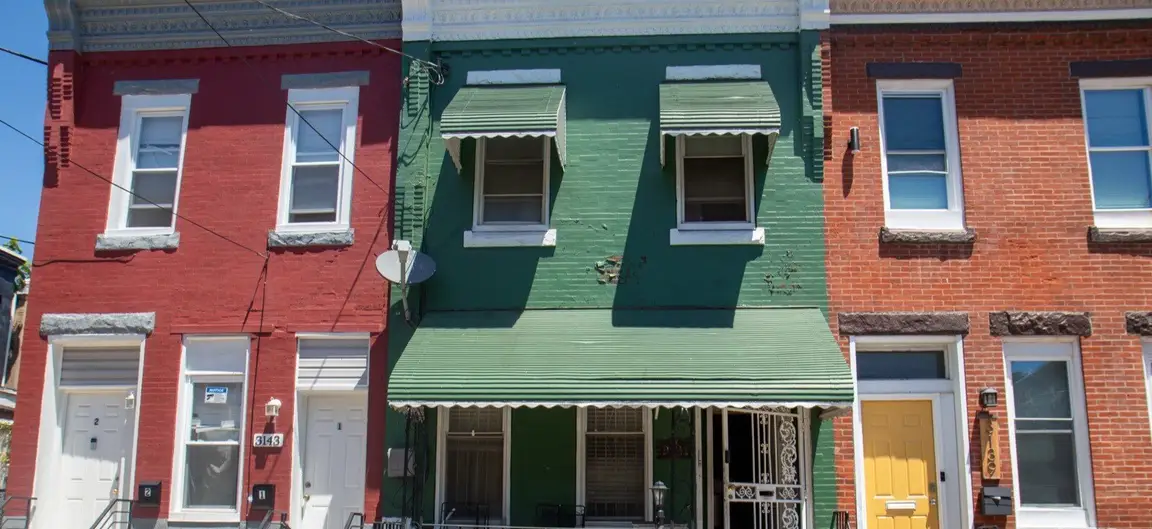
Mold isn’t a sign you did something wrong — in Philadelphia, it comes with the housing stock. Most of our rowhomes sit on stone, brick, or early poured-concrete foundations that are 80 to 120 years old. Water seeps through aging mortar joints and wicks up into cellar walls, and the region’s clay-heavy soil pushes moisture through foundation walls even when there’s no visible leak. Add summer humidity that regularly tops 70% in July and August, and a cool rowhome basement in Kensington, Port Richmond, Germantown, or South Philly becomes a natural mold incubator.
Party walls make it worse: in a rowhouse, moisture problems can migrate from the neighbor’s side to yours. And if your property sits in a flood-prone pocket like Eastwick or along the Schuylkill in Manayunk, one storm can leave mold blooming behind drywall within days. If your house has been through flooding or an active leak, see our page on selling a water-damaged house in Philadelphia — mold and water damage usually travel together.
What Mold Remediation Really Costs in Philadelphia
Professional remediation in Philadelphia typically runs about $1,300 to $3,700 for an average job, and $10 to $25 per square foot. But that’s for straightforward cases. When mold has gotten inside finished walls, wood framing, or under flooring — common in older Philly homes with plaster walls that trap humidity — basement remediation can climb to $6,000 to $15,000 or more. Contractors here often charge extra because fragile plaster and crumbling stone foundations require careful work.
And here’s the part most sellers don’t hear until later: remediation alone doesn’t fix the moisture source. To keep mold from coming back, you may also be looking at waterproofing, drainage, or foundation repointing — thousands more on top. That’s money spent on a house you’re trying to leave.
The Problem With Selling a Moldy House the Traditional Way
Even after paying for cleanup, mold complicates a standard listing:
- Buyer financing can fall through. FHA appraisers specifically look for visible mold as a health-and-safety issue. If it’s flagged, the lender can require remediation before closing — usually at the seller’s expense — or the deal dies.
- Inspections scare buyers off. Retail buyers hear “mold” and picture worst-case black mold, even when the problem is limited.
- Disclosure follows you. Pennsylvania’s Real Estate Seller Disclosure Law requires sellers to disclose known material defects — the standard form asks directly about water penetration and mold. Concealing it can expose you to claims for up to two years after settlement. (This is general information, not legal advice — talk to a Pennsylvania real estate attorney about your specific situation.)
- Time works against you. Active mold spreads while your house sits on the market through showings, negotiations, and repair credits.
How Selling to Liberty Pathway Homes Works
We’re local cash home buyers, and mold doesn’t scare us — we deal with it after closing, on our dime. Here’s the process:
- Tell us about the house. Call (215) 515-7799 or fill out the form. Be as honest as you want about the mold — it won’t kill the deal.
- Get a fair cash offer within 24 hours. No obligation, no pressure. We factor in the condition so there are no surprise renegotiations later.
- Pick your closing date. Two weeks or two months — whatever fits your move. No fees, no commissions, no repairs, no cleaning. Take what you want and leave the rest.
Because we buy as-is with cash, there’s no appraiser to flag the mold and no lender to demand remediation. Nothing comes out for our fees — though any mortgage, liens, or back taxes on the property are still paid from the proceeds at closing.
Who This Helps Most
We regularly buy moldy properties from Philadelphia sellers who inherited a damp rowhome that sat empty, landlords whose tenants stopped reporting leaks until the damage was done, and owners whose house simply needs more work than they can take on. If mold is just one item on a longer list, our page on selling a house that needs major repairs in Philadelphia covers how we handle the whole picture.
Ready to stop worrying about what’s growing in the basement? Get your fair cash offer today or call us at (215) 515-7799.
Frequently Asked Questions
Can I legally sell a house with mold in Pennsylvania?
Yes. Selling a house with mold is legal in Pennsylvania — you just have to disclose known material defects, including known mold and water issues, on the seller’s disclosure form. Selling as-is to a cash buyer like us doesn’t remove that duty; the difference is we already expect mold, so disclosure doesn’t hurt your deal. This is general information, not legal advice.
Do I have to remediate the mold before selling to you?
No. Don’t spend a dollar on remediation, testing, or even cleaning. We buy Philadelphia houses with mold completely as-is and handle remediation ourselves after closing.
Will mold lower my cash offer?
Condition is one factor in any fair offer, so we do account for realistic remediation and moisture-repair costs. But you skip agent commissions (typically 5-6%), closing fees, months of holding costs, and the risk of a financed buyer’s lender killing the deal — for many mold-affected houses, the net is comparable or better, with none of the hassle.
How fast can you close on a moldy house in Philadelphia?
We can close in as little as two weeks, since there’s no bank financing, appraisal, or repair negotiation. If you need longer, you pick the date.
What if the mold is severe — black mold through the whole basement?
We still buy it. Widespread mold, black mold, mold from long-term vacancy or flooding — we’ve seen it across Philly’s older housing stock and price it into a straightforward cash offer rather than walking away.